



Business growth alone is not enough. The need must end in a near, definable future and qualify as a one-time occurrence, seasonal need, peakload need or intermittent need. Seasonal, peakload and intermittent needs are generally limited to one year or less; a qualifying one-time occurrence may last longer.
Official guidance ↗H-2B support for seasonal employers
Seasonal work needs dependable crews.
FirstCrew organizes H-2B from first review through worker arrival.
Start a conversationWhy businesses use H-2B.
Seasonal work has fixed dates. These findings show what staffing pressure costs employers and what dependable workforce capacity can make possible.
Reliable labor
95%With federal data showing 95 percent of requested H-2B positions remain completely unfilled by U.S. workers, the local labor shortage is a proven reality. We help you bypass the empty job boards by securing a dedicated seasonal crew, letting you stop recruiting and get straight to work.
Less turnover
92%When 92 percent of local applicants fail to stay on the job beyond two weeks, constant turnover ruins your schedule. We solve this friction by giving you access to a program that lets you bring back the exact same skilled guys every single spring.
Prevent burnout
60 HOURSUnderstaffed peak season crews are frequently forced to work 50 to 60 hours a week. Securing reliable seasonal support keeps the workload manageable, allowing you to protect your core team from exhaustion while keeping your overtime costs in check.
Grow confidently
86%Without enough workers, 86 percent of employers report their sales actually shrink. Knowing exactly who is showing up means you can confidently bid on larger contracts and grow your operations without panicking about having the hands to fulfill the work.
With federal data showing 95 percent of requested H-2B positions remain completely unfilled by U.S. workers, the local labor shortage is a proven reality. We help you bypass the empty job boards by securing a dedicated seasonal crew, letting you stop recruiting and get straight to work.
When 92 percent of local applicants fail to stay on the job beyond two weeks, constant turnover ruins your schedule. We solve this friction by giving you access to a program that lets you bring back the exact same skilled guys every single spring.
Understaffed peak season crews are frequently forced to work 50 to 60 hours a week. Securing reliable seasonal support keeps the workload manageable, allowing you to protect your core team from exhaustion while keeping your overtime costs in check.
Without enough workers, 86 percent of employers report their sales actually shrink. Knowing exactly who is showing up means you can confidently bid on larger contracts and grow your operations without panicking about having the hands to fulfill the work.
How FirstCrew handles it
One clear process.Four realsteps.
FirstCrew manages the administrative process. The employer remains responsible for accurate case facts, signatures, hiring decisions, reimbursements and ongoing compliance.
See the full processQualify the need
We review the temporary need, dates, job, worker count, timing and supporting evidence to determine whether the case is ready to move forward.
File the case
We coordinate the prevailing wage request, job order, temporary labor certification application, employer review, signatures and Department of Labor filings.
Recruit and process workers
We coordinate required U.S. recruitment and applicant records, then prepare the USCIS petition and organize worker documents, consular appointments and travel planning.
Arrive and stay compliant
We coordinate the arrival plan and help the employer organize onboarding, required records, reimbursements and the compliance calendar through the period of need.
Why FirstCrew exists
Built for the season ahead:our mission.
Help seasonal employers move from workforce need to worker arrival with a plan that feels clear, connected and human.
A workforce built around the season
H-2B gives eligible employers a way to plan for temporary, seasonal labor needs before the busiest work begins.
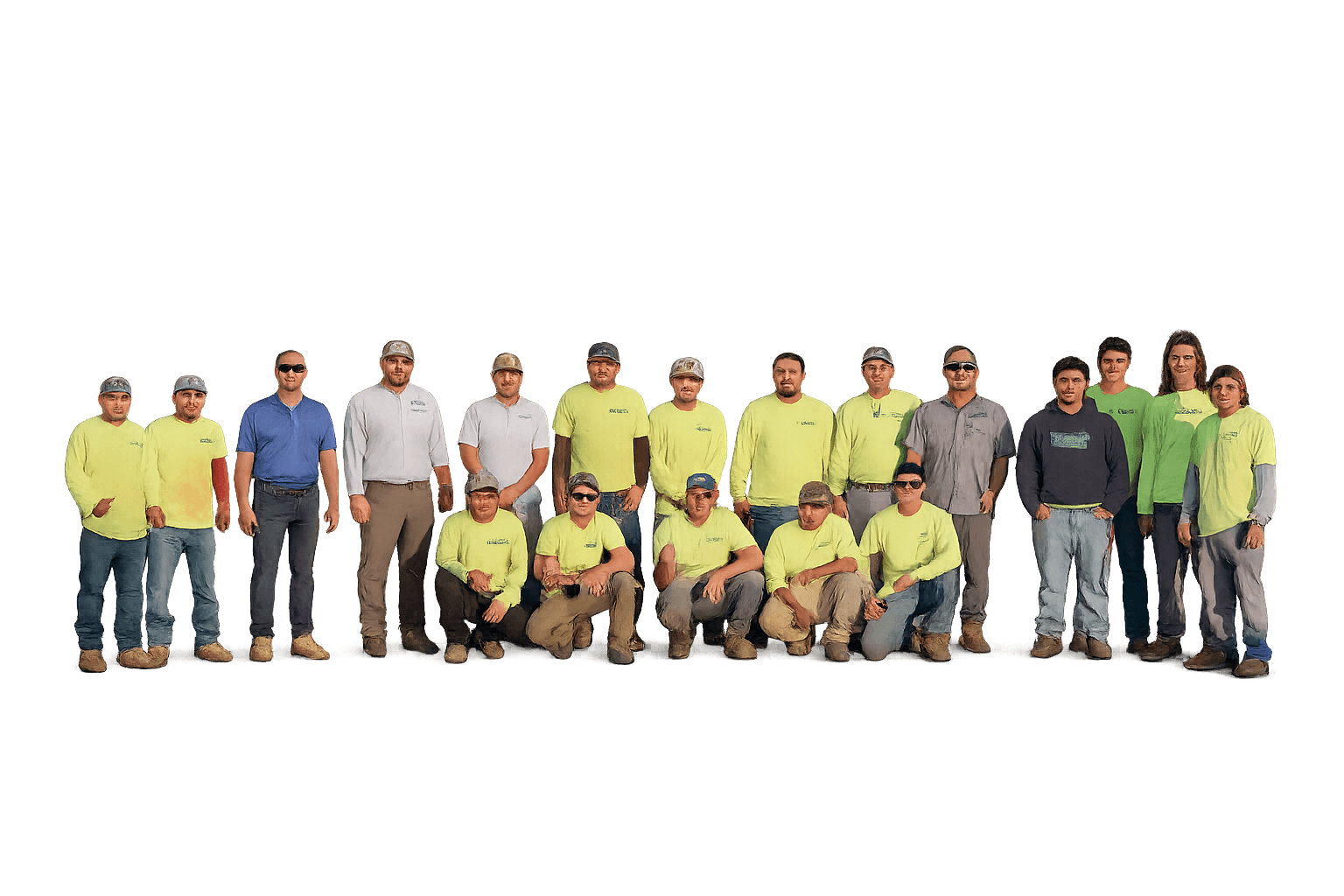
A clearer path through a complex process
FirstCrew brings job facts, dates, documents and next steps into one organized plan employers can follow.

People, not just paperwork
The work stays connected from the first employer review through recruitment, processing and worker arrival.

Employer story / Lexington, Kentucky
More capacity.Fewer impossibleweeks.
Orlando has built two Kentucky companies since 2001. His first H-2B season gave the team room to grow without asking everyone to live at work.
Before H-2B, Orlando wasn't just running a business—he was surviving it. Strong demand routinely pushed him and his core crew into grueling 60- to 80-hour weeks. The constant revolving door of local turnover made the strain impossible to escape, leaving his best guys burned out just trying to hit deadlines.
FirstCrew handled the heavy lifting to change that. From pre-qualification and Department of Labor filings through worker visa processing, FirstCrew managed the maze of paperwork. Orlando simply provided the records and signed the filings. He applied in late September; his dedicated crew arrived in late March.
With that predictable capacity locked in, revenue is up 43% this year, and every employee is finally back to working a standard 40-hour week. Orlando is already planning to request five workers for next season.
“For the first time in 20 years, I don't have to worry if my crew is going to show up.”
Originally from Honduras and a U.S. citizen since 2012, Orlando sees a familiar determination in his new visa workers, a drive to build a better future and support their families back home.
Companies built by Orlando

FAQ about theH-2B program.

Your next season starts now
Ready to build a crew thatactually shows up?
The H-2B process takes 5 to 6 months. Find out if your business qualifies today so you aren't left scrambling for workers this spring. Fast, free, and no commitment.
See if I qualify